Masai Mara Safari Types Explained
A Masai Mara safari is a wildlife experience in Kenya’s Masai Mara National Reserve where you move through unfenced savannah to watch animals living freely in their natural space. It is one of Africa’s top safari destinations, best known for big cats, elephants, and the seasonal wildebeest migration.
Today, we look at an unofficial but practical way of understanding how Masai Mara safaris are experienced on the ground.
Masai Mara Safari: The Real Meaning, Experience, and How It Is Structured
When booking a Masai Mara safari, you will agree with me that at first what draws you in is very simple — the desire to see the wild and the wildlife that lives there.
The Big cats. The elephants. The birds. The open plains of the Masai Mara. A hunt if you are lucky… that kind of thing.
This is where it always begins.
Nobody starts by thinking about the hotel first. Nobody starts by asking about the bed, the bathroom, or even the meals. At the beginning, it is always the same thing — the wild.
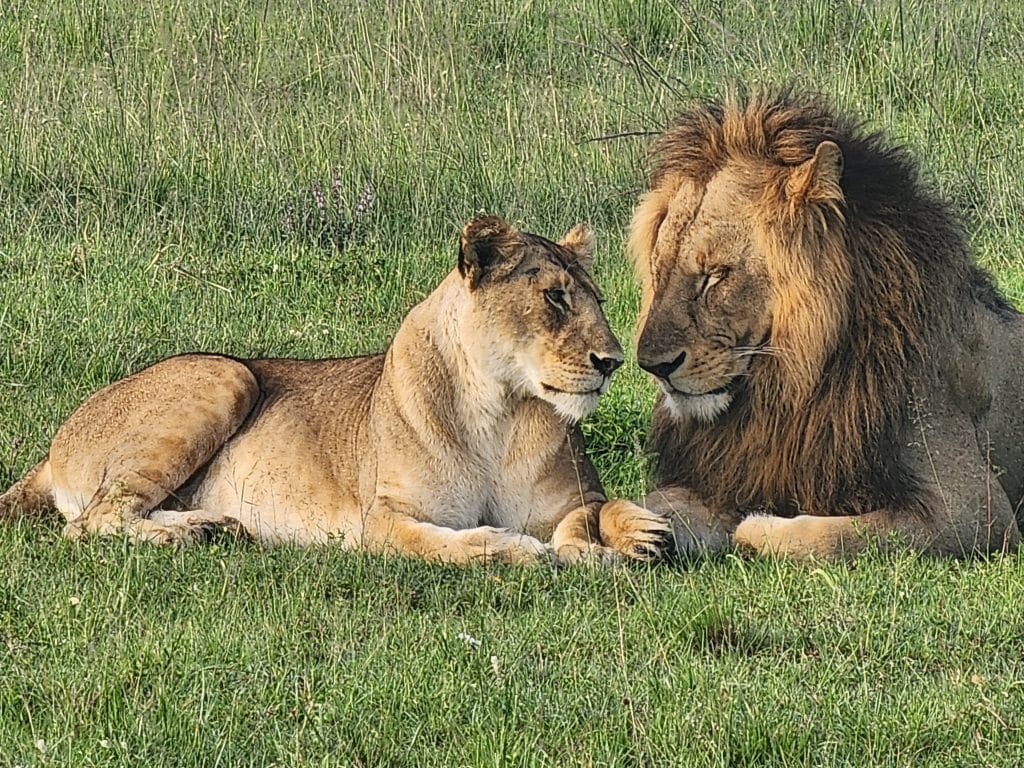
That picture in your mind of a lion walking slowly across the plains. A herd of elephants crossing in the distance. A cheetah scanning the grass. Early morning light breaking over the Mara landscape.
That is what pulls people in.
And when you now know you are set and you want to come for a safari, everything else starts to fall into place. Down the line, we begin discussing the hotel you will be staying in, the different options available, the comfort levels, and of course the budget.
Then we move to the final and most important part — how the game drives will be handled. The guide, the vehicle, the timing, the daily rhythm inside the park.
And at times, this is where the real safari experience comes to life.
Because if you look at it carefully, the safari is not just accommodation. It is not just logistics. It is not just transport.
It is the game drive.
It is the early morning wake-up. The dust on the road. The silence before you spot something. The long hours in the bush with no rush, no pressure, no noise from the outside world.
In many areas, there is no cellular connectivity at all.
And that is not a limitation.
That is part of the experience.
It is the feeling of being away from everything familiar and just being present. Watching. Listening. Waiting. Letting nature decide the pace.
So let’s focus on that — the safari. The real reason you came to the Masai Mara in the first place.
What a Masai Mara Safari Really Means
A Masai Mara safari is not just a trip. It is the act of entering one of the most wildlife-rich ecosystems in the world — the Masai Mara National Reserve in Kenya, and touring it.
But more importantly, it is the experience of being inside a living landscape where wildlife is not controlled, not staged, and not predictable.
This is not a zoo. This is not a park with guaranteed sightings.
This is real wilderness.
Lions move freely. Elephants travel long distances. Wildebeest cross in massive herds during migration. Hyenas hunt at night. Leopards disappear into trees.
And you are there in the middle of it.
That is why people come.
A Masai Mara safari is about game drives, early mornings, long horizons, and moments that cannot be planned.
It is also about silence. Real silence. The kind you only get when you are far away from cities, traffic, and everyday life.
And this is important to understand before we even talk about hotels or pricing.
Because the safari itself is the product.
Everything else supports it.
Three Types of Masai Mara Safari
Now, when we break it down properly, there are three ways Masai Mara safaris are typically organized.
They are not official categories, but they are very real in how the industry works.
We categorize them based on two things:
- Where the safari is booked from (international vs local)
- Who runs and guides the safari (international operator vs local guide)
From this, three clear safari types emerge.
1. Internationally Booked + Internationally Guided Safari
This is the most traditional model and the one many people still imagine when they think of a safari.
Here, everything is handled outside Kenya or through international companies. From booking to guiding, the entire experience is managed by foreign operators or international safari brands.
This model exists for several reasons.
First is trust.
Many travellers prefer to book with companies they already know in their home country. It feels safer, more familiar, and easier to manage. Especially for first-time safari travellers, it removes uncertainty.
Second is history.
Before the internet made everything accessible, this was the main way safaris were sold. You would get brochures, speak to an agent , and be guided step by step through the entire process — from itinerary to expectations of the Masai Mara package.
That system still exists today.
And it still works.
However, it comes with important realities that every traveller should understand.
Group-Based Structure
Most internationally guided safaris are group-based.
This means you are sharing the vehicle, schedule, and game drive experience with other travellers.
This can be good for social interaction, but it also reduces flexibility.
Game drives follow a fixed plan. Departure times are fixed. Stops are shared decisions.
And if the group is not aligned in energy or expectations, the safari experience can feel less personal.
One person wants to stay longer with a lion sighting. Another wants to move on. One prefers early morning drives. Another prefers slower starts.
These differences affect the flow of the safari.
Limited Local Connection
Another key point is the distance from the local experience.
In many cases, you are not directly interacting with the people who live and work in the Masai Mara every day.
The guides, the camp teams, the drivers — the real custodians of the land — are not always part of your direct booking relationship.
So while the experience is still a Masai Mara safari, it is more structured and less locally integrated.
The Trade-Off
When you book internationally and travel with international guides, you get structure and familiarity.
But you may lose something very important — the local instinct.
The guides who live here know the land in a different way. They know where lions were yesterday. They understand elephant movement patterns. They read the bush naturally, not from notes.
That depth is not always present in this model.
2. Internationally Booked + Locally Guided Safari
This is the most common Masai Mara safari model today.
It sits between international convenience and local expertise.
Here, the safari is booked through an international travel company, but once you arrive in Kenya, everything is handled by local safari operators.
This includes your guides, drivers, camp teams, and daily safari execution.
How It Works
International companies handle the booking side — flights, payments, itinerary structure, and customer service in your home country.
But once you land in Kenya, you are handed over to local teams who actually run the safari.
And this is where the experience changes.
Local Expertise on the Ground
Local guides bring something that is very difficult to replicate — instinct.
They know the Masai Mara not as a destination, but as a living environment.
They understand:
- Where predators are likely to move
- Seasonal migration routes
- River crossing points
- Early morning animal behaviour
- Weather and grass patterns
This knowledge is not theoretical. It is lived experience.
So even if the safari is booked internationally, the actual experience becomes deeply local.
A Balanced Experience
This model offers a balance:
- International structure for planning
- Local execution for experience
- Better coordination for travellers abroad
It is a practical option for many visitors who want both convenience and authenticity.
You still get a well-organized trip, but with real Kenyan guiding on the ground.
3. Locally Booked + Locally Guided Safari (Best Value Experience)
This is the most direct, authentic, and often the most rewarding way to experience the Masai Mara.
Here, everything is handled locally in Kenya.
You book directly with a Kenyan safari operator. You travel with local guides. You are managed by people who live and work in the Masai Mara ecosystem every day.
Full Local Control
There is no middle layer.
No foreign booking agent controlling the experience.
No external coordination separating you from the ground team.
Everything is direct.
And this changes everything.
Flexibility in the Safari
This is where the safari becomes truly flexible.
Game drives can be adjusted based on:
- Wildlife movement
- Weather conditions
- Your personal preferences
- Photography opportunities
- Real-time sightings
If you want to stay longer at a lion sighting, you stay.
If you want to start earlier and return later, it can be arranged.
If you want a slow-paced safari with more time in the bush, that is possible.
Nothing is rigid unless you want it to be.
Real Local Connection
This is where the experience becomes very personal.
You are dealing directly with people who understand the Masai Mara deeply. Not from theory, but from daily life.
They know the land. They know the animals. They know the rhythm of the park.
And they share that knowledge naturally during the safari.
It feels less like a packaged tour and more like being shown the land by someone who actually belongs to it.
Best Value for Money
This is also the most cost-effective option.
Because there are no international intermediaries, pricing is more direct and transparent.
You often get:
- Better rates
- More flexibility
- Stronger personalization
- Direct access to guides
And most importantly, your money supports the local tourism ecosystem directly — guides, drivers, camps, and communities around the Masai Mara.
That impact stays in Kenya.
Which Masai Mara Safari Should You Choose?
All three safari types will take you to the Masai Mara.
That is not the question.
The real question is experience.
If you want structure and international handling, the internationally booked and internationally guided safari works.
If you want a balance between global booking and local execution, the internationally booked and locally guided safari is the most common choice.
But if you want the most authentic experience, real flexibility, direct local interaction, and the best value for money, then locally booked and locally guided safaris stand out clearly.
This is where the Masai Mara feels real.
Not filtered.
Not distant.
Just local.
And alive.
If you want, I can next:
So what truly counts in a Masai Mara safari?
At the end of the day, if you look at real safari reviews, clients rarely talk about the hotel or the vehicle. They talk about what they saw — and more importantly, how good the guide was.
It is not just where you stay or how you book it. It is who is guiding you when you are out there, and how connected you are to the wild in that moment.
Masai Mara Safari Packages, Prices, Lodges, Itineraries & Planning Guide
Now that you understand what a Masai Mara safari really is, let’s go deeper into what most people actually want to know before booking.
Because once the idea of the wild is clear, the next real questions are simple:
- How much does a Masai Mara safari cost?
- What kind of safari packages are available?
- Where do you stay in the Masai Mara?
- How many days do you actually need?
- How do you get there from Nairobi?
Let’s break it down in a way that is practical, local, and honest.
Masai Mara Safari Packages (How Safaris Are Structured)
When people search for Masai Mara packages or Kenya Masai Mara safari packages, they are really asking one thing:
“What exactly am I paying for?”
A safari package is not just accommodation. It is a combination of:
- Transport (road or flight)
- Park entry fees into the Masai Mara National Reserve
- Game drives (daily wildlife viewing)
- Accommodation (lodges or camps)
- Guide services
- Meals (full board or all-inclusive)
But here is the important local truth:
Not all packages are the same, even if they look similar online.
The biggest difference is not just price — it is structure.
Some packages are rigid and group-based. Others are flexible and private. Some are designed for international bulk booking. Others are designed locally for experience.
That is why two people can go to the Masai Mara and have completely different safaris.
Masai Mara Safari Cost and Prices (Real Breakdown)
One of the most searched questions is:
“How much does a Masai Mara safari cost?”
The honest answer is: it depends on how you travel.
But instead of giving vague ranges, let’s break it down properly.
1. Budget Masai Mara Safari
This is usually:
- Group joining safaris
- Basic camps or budget lodges
- Shared vehicles
- Fixed itinerary
Best for travellers who want the experience at the lowest cost.
2. Mid-Range Safari
This is the most common category.
- Comfortable lodges or tented camps
- Private or semi-private game drives
- Better guiding experience
- More flexibility
This is where most travellers should be.
3. Luxury Masai Mara Safari
This includes:
- Premium lodges inside or near the reserve
- Highly experienced guides
- Private vehicles
- Personalised service
Examples include high-end conservancy stays and exclusive camps.
Why prices vary so much
Masai Mara safari prices change based on:
- Season (peak migration vs low season)
- Accommodation location (inside reserve vs conservancy vs outside)
- Transport type (road vs fly-in safari)
- Group size vs private safari
- Guide model (international vs local operator)
So when you compare prices, always compare what is included — not just the number.
Masai Mara Safari Lodges and Camps
When people search Masai Mara safari lodges, they are usually thinking about where they will sleep.
But in reality, where you stay directly affects your safari experience.
There are three main categories:
1. Inside the Masai Mara Reserve
These lodges give you:
- Immediate access to game drives
- Early morning wildlife viewing advantage
- Less travel time
This is the closest you can stay to the action inside the Masai Mara National Reserve.
2. Conservancy Lodges
These are private wildlife areas bordering the Mara.
They offer:
- Fewer vehicles
- Controlled tourism
- Exclusive game drives
- Higher-quality wildlife experiences
This is often where luxury safaris operate.
3. Outside the Reserve
These are more budget-friendly options.
- Longer drive into the park
- Lower accommodation cost
- Still good safari experience if well planned
The key thing to understand is simple:
Where you sleep affects how early you enter the wildlife areas — and that affects what you see.
How Many Days for a Masai Mara Safari?
One of the most important planning questions is:
“How many days do I need for a Masai Mara safari?”
Here is the practical breakdown:
2 Days Safari
- Very short
- Fast experience
- Limited game drive time
- Best for quick add-ons from Nairobi
3 Days Safari (Most Popular)
This is the standard.
- 2 nights / 3 days
- 4–5 game drives
- Good wildlife chance
- Balanced cost vs experience
4–5 Days Safari
- More relaxed pace
- Better chances for big cat sightings
- Ideal for photography
- Less rushed
6–7 Days Safari
- Deep immersion
- Migration tracking (seasonal)
- Combination with other parks
The truth is simple:
If it is your first time, 3 to 4 days in the Masai Mara is the sweet spot.
Masai Mara Safari from Nairobi (How You Actually Get There)
Most safaris start from Nairobi.
There are two main ways:
1. Road Safari
- 5 to 6 hours drive
- Scenic journey through the Rift Valley
- Most common option
- Cost-effective
2. Fly-In Safari
- 45–60 minute flight
- Direct access to airstrips inside or near the reserve
- Faster, more premium experience
- Often used in luxury safaris
Both options work.
But the road safari gives you more connection to the land before you even arrive.
Best Masai Mara Safari Type (What Actually Matters)
Now let’s bring everything together.
There are three safari booking models:
1. Internationally booked + internationally guided
- Structured
- Group-based
- Less flexibility
- Higher cost in many cases
2. Internationally booked + locally guided
- Most common model
- Balanced experience
- Good mix of structure and local expertise
3. Locally booked + locally guided (Best option)
This is where you get:
- Direct local pricing
- Flexible game drives
- Real-time wildlife tracking
- Better value for money
- Direct interaction with local experts
And this is important:
You are not just booking a safari.
You are choosing who actually takes you into the Masai Mara.
And that changes everything.
Because the real safari is not the hotel.
It is not the package.
It is the guide who wakes up with you at dawn and takes you into the wild.
Masai Mara Safari Experience Summary
A Masai Mara safari is simple at its core.
It is:
- Wildlife in its natural environment
- Game drives in open savannah
- Early mornings and long horizons
- Silence, space, and unpredictability
Inside the Masai Mara National Reserve, nothing is staged.
Everything is real.
And how you book your safari determines how close you get to that reality.
Mid-Range Masai Mara Safari Cost (Kenya)
When planning a Masai Mara safari, one of the most common questions is simple — how much does a mid-range safari cost?
A mid-range Masai Mara safari in Kenya typically costs:
- USD 300 – 600 per person per day
- For 3–4 days: USD 900 – 2,400 per person total
This is the category where most travellers sit.
Not budget camping. Not ultra-luxury. But a proper safari experience with comfortable lodges, professional guides, and well-organized game drives inside or around the Masai Mara National Reserve.
It is also the category where safari value is highest — you get strong wildlife viewing without paying luxury conservancy pricing.
What You Get in a Mid-Range Safari
A typical mid-range Masai Mara safari includes:
- Comfortable tented camps or lodges inside or near the reserve
- Full board accommodation (breakfast, lunch, dinner)
- 4×4 safari Land Cruiser or safari van
- Professional driver-guide
- Daily game drives
- Park entry fees (in most packages)
- Bottled water during game drives
Some packages may also include:
- Nairobi or airport transfers
- Cultural visits
- Private or shared safari vehicle options
This is the most balanced safari category for first-time visitors to Kenya.
Masai Mara Mid-Range Safari Cost Breakdown
| Cost Factor | What It Includes | Impact on Price |
|---|---|---|
| Accommodation | Mid-range lodges and tented camps such as Mara Sopa, Sarova, Ashnil | One of the biggest cost drivers depending on location |
| Transport | 4×4 Land Cruiser or safari van with driver-guide | Private Land Cruiser increases cost significantly |
| Park Fees | Masai Mara National Reserve entry fees per person per day | Mandatory cost set by park authorities |
| Meals | Full board (breakfast, lunch, dinner) | Usually included in packages |
| Game Drives | Morning and evening wildlife drives | More time in the park increases guiding and fuel costs |
| Guide | Professional local safari guide | Experienced guides add value and cost |
| Transfers | Road or flight from Nairobi to Masai Mara | Flights significantly increase total cost |
| Add-ons | Hot Air Balloon Masai Mara, cultural visits, sundowners | Optional but increases total cost |
| Season | Peak season (July–October) vs low season | Peak season increases pricing by 20–40 percent |
| Group Type | Private vs shared safari | Private safaris cost more but offer full flexibility |
What Affects the Cost of a Mid-Range Safari Most
If you simplify safari pricing in the Masai Mara, it mainly comes down to four key factors:
1. Accommodation location
Staying inside or closer to the reserve is more expensive than staying further outside.
2. Transport type
Flying from Nairobi increases cost significantly compared to road travel.
3. Private vs shared safari
Private safaris cost more but allow full flexibility on timing and game drives.
4. Season of travel
Peak migration season from July to October is the most expensive period.
Realistic Mid-Range Safari Price Guide
3 Days / 2 Nights
- Budget range: USD 900 – 1,200 per person
- Standard range: USD 1,200 – 1,600 per person
- High mid-range: USD 1,600 – 2,200 per person
4 Days / 3 Nights
- Budget range: USD 1,200 – 1,800 per person
- Standard range: USD 1,800 – 2,400 per person
- High mid-range: USD 2,400 – 3,000 per person
These ranges reflect current Masai Mara safari market pricing depending on lodge selection, season, and transport type.
Why Mid-Range Safaris Are the Most Popular in Masai Mara
Most travellers choose mid-range safaris because they balance comfort and experience.
You get:
- Comfortable accommodation without luxury overpricing
- Professional local guides
- Reliable safari vehicles
- Good access to wildlife areas
- Strong value for money
Wildlife experience does not change with category.
Lions, elephants, cheetahs, and the Great Migration are the same regardless of budget.
What changes is comfort level, guiding style, and flexibility.
In the Masai Mara, safari cost is not just about accommodation.
It is about:
- How deep you go into the park
- Who guides your experience
- How flexible your game drives are
- How close you are to real wildlife movement
That is why mid-range safaris remain the most balanced option for most travellers.
Not too basic. Not overly luxury.
Just the right level to properly experience the Masai Mara.
Masai Mara Safari Beach Extension (Kenya)
A Masai Mara safari beach extension is the combination of a wildlife safari in the Masai Mara National Reserve followed by a relaxing stay on the Kenyan coast, usually in Mombasa, Diani, Watamu, or Malindi.
In simple terms, it is two experiences in one trip:
First, the wild — game drives in the Masai Mara
Then, the ocean — beach relaxation along Kenya’s coast
This is one of the most popular safari combinations in Kenya because it balances adventure with rest.
Why Combine Masai Mara with a Beach Holiday?
When you finish a safari in the Masai Mara, you are usually coming out of early mornings, long game drives, dust roads, and intense wildlife viewing.
A beach extension gives you something different:
Slow mornings instead of early wake-ups
Ocean views instead of savannah plains
Warm coastal breeze instead of safari dust
Time to relax and process the safari experience
It is not just a holiday extension — it is a transition from “wild adventure” to “coastal relaxation.”
Typical Masai Mara Safari + Beach Itinerary
A standard safari beach extension in Kenya usually looks like this:
Option 1: Classic 7–10 Days
3–4 nights Masai Mara safari
Fly or drive back to Nairobi
Flight to the coast (Mombasa or Ukunda/Diani)
3–5 nights beach stay
Option 2: Luxury Extended Experience
4–5 nights Masai Mara safari
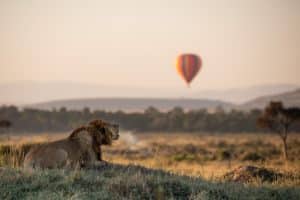
Optional hot air balloon safari
Direct flight from Mara airstrip to coast
4–6 nights luxury beach resort
Best Beach Destinations After Masai Mara Safari
Diani Beach
Diani Beach is the most popular safari extension destination. It offers white sand beaches, calm waters, and luxury resorts. It is ideal for couples, honeymooners, and relaxation after safari.
Watamu
Watamu is quieter and more natural, known for marine parks, coral reefs, and a laid-back atmosphere. It suits travellers who want a slower coastal experience.
Malindi
Malindi offers a mix of culture, beaches, and historical influence, with a more relaxed and less crowded coastline.
Mombasa
Mombasa is more vibrant and accessible, with a mix of resorts, city life, and beach hotels.
How You Travel from Masai Mara to the Beach
There is no direct road connection from the Masai Mara to the coast, so travel is usually done in stages:
Game drive or transfer from lodge to airstrip
Flight from Masai Mara to Nairobi or direct coastal airstrip
Domestic flight from Nairobi to Mombasa or Diani (Ukunda Airport)
Most safari packages include flight coordination to make the transition smooth.
Why This Combination is So Popular
A Masai Mara safari beach extension works because it balances two very different experiences:
1. The Safari Experience
Wildlife viewing
Game drives
Early mornings in the bush
Raw, natural environment
2. The Beach Experience
Relaxation
Ocean views
Slow travel pace
Recovery after safari intensity
Together, they create a complete Kenya holiday experience.
Who Should Choose a Safari + Beach Extension?
This combination is ideal for:
First-time visitors to Kenya
Honeymoon travellers
Families looking for variety
Photographers and wildlife enthusiasts
Long-haul travellers wanting full value for their trip
When to Plan a Safari and Beach Holiday in Kenya
The best time depends on your focus:
July to October: Peak safari season (Great Migration in Masai Mara)
December to March: Best beach weather conditions
June to October + beach extension: Most balanced safari + coast experience
A Masai Mara safari beach extension is the most complete way to experience Kenya.
You start with the wild — the lions, elephants, and open plains of the Masai Mara — and end with the calm Indian Ocean coastline.
It is not just a trip.
It is two worlds in one journey — wilderness and ocean, adventure and rest, energy and calm.
Start Your Masai Mara Safari with Us
At MaraMasai.com, we do not just sell packages.
We help you choose the right safari structure based on:
- Your budget
- Your travel style
- Your expectations
- Your timing
- Your comfort level
Whether it is a budget safari, mid-range experience, or luxury safari — we match you with the right setup on the ground in Kenya.
Because a Masai Mara safari is not just a trip.
It is an experience that stays with you long after you leave.
Masai Mara Safari FAQs
What is a Masai Mara safari?
A Masai Mara safari is a wildlife experience in Kenya’s Masai Mara National Reserve where travellers explore open savannahs through guided game drives to see lions, elephants, cheetahs, giraffes, and other wildlife in their natural environment.
It is one of Africa’s most famous safari destinations because of its high wildlife density and the annual Great Migration.
How many days for a Masai Mara safari?
The ideal Masai Mara safari is:
2 days: very short, rushed experience
3 days: standard first safari (most recommended)
4–5 days: best balance for game drives and relaxation
6+ days: deep wildlife immersion and photography focus
A 3 to 4-day safari is the most common because it allows enough time for multiple game drives without rushing the experience.
How much does a Masai Mara safari cost?
A Masai Mara safari cost depends on accommodation level, season, and transport type.
Typical ranges:
Budget safari: USD 150 – 300 per person per day
Mid-range safari: USD 300 – 600 per person per day
Luxury safari: USD 700 – 1,500+ per person per day
Most travellers choose mid-range safaris because they balance comfort and value.
How much is a Masai Mara safari?
In total:
3-day safari: USD 900 – 2,000 per person
4-day safari: USD 1,200 – 2,500 per person
5-day safari: USD 1,800 – 3,500 per person
The final price depends on lodge location, season (peak July–October), and whether you choose private or shared safari vehicles.
How to book a Masai Mara safari?
You can book a Masai Mara safari in three main ways:
International travel agents (booked abroad, guided internationally or locally)
Online safari companies in Kenya
Direct local operators in Kenya (best value option)
The booking process usually includes:
Choosing travel dates
Selecting budget and accommodation level
Confirming safari type (private or group)
Paying deposit to secure booking
Receiving itinerary and travel instructions
How to plan a Masai Mara safari?
To plan a Masai Mara safari properly:
Decide how many days you want (3–4 days recommended)
Choose budget level (budget, mid-range, luxury)
Decide transport (road or flight from Nairobi)
Select accommodation inside or near the reserve
Choose private or group safari
Planning early (2–6 months in advance) is recommended, especially for peak migration season.
What to pack for Masai Mara safari?
Essential packing includes:
Light clothing for daytime
Warm jacket for early mornings and evenings
Comfortable walking shoes
Sunglasses and hat
Sunscreen
Camera or binoculars
Small backpack for game drives
Personal medication
Keep luggage light and practical due to safari vehicle space.
What to wear on safari in Masai Mara?
On safari in the Masai Mara, wear:
Neutral colours (khaki, beige, green, brown)
Light breathable fabrics during the day
Warm layers for early morning game drives
Comfortable closed shoes
Avoid bright colours and heavy dark clothing as they are not ideal for wildlife viewing conditions.
Where is Masai Mara safari located?
The Masai Mara safari takes place in southwestern Kenya inside the Masai Mara National Reserve.
It borders Tanzania’s Serengeti ecosystem and is part of the larger Serengeti-Mara wildlife system.
The closest major city is Nairobi, approximately 5–6 hours by road or a short domestic flight.
Where to stay for Masai Mara safari?
Accommodation options include:
Budget camps outside the reserve
Mid-range tented camps and lodges near or inside the reserve
Luxury safari lodges and private conservancies
Staying inside or near the reserve gives better access to early morning game drives.
Is Masai Mara safari safe?
Yes, a Masai Mara safari is generally very safe when guided by licensed safari operators.
Safety is maintained through:
Professional driver-guides
Park regulations
Controlled safari routes
Wildlife distance rules
Visitors are always accompanied during game drives.
How much is a balloon safari in Masai Mara?
A hot air balloon safari in the Masai Mara typically costs:
USD 450 – 470 per person
It includes early morning flight over the savannah followed by a bush breakfast after landing.
How much are meals on Masai Mara safari?
Meals are usually included in safari packages (full board).
If not included:
Lodge meals: USD 20 – 60 per meal depending on lodge level
Drinks and extras are usually charged separately
Is Masai Mara the best safari in Africa?
The Masai Mara is considered one of the best safari destinations in Africa due to:
High concentration of wildlife
Big Five sightings
Great Migration (seasonal)
Open savannah landscapes
Easy accessibility from Nairobi
It is often ranked alongside Serengeti as a top safari destination globally.
A day on safari in the Masai Mara
A typical safari day looks like this:
Early morning game drive (sunrise wildlife viewing)
Mid-morning return to camp
Lunch and rest period
Afternoon game drive
Sunset return to lodge
Dinner and relaxation
It is a rhythm built around wildlife movement.
Can you book a safari in Masai Mara?
Yes, you can book a Masai Mara safari:
Online through safari companies
Through travel agents
Directly with local operators in Kenya
Booking directly with local operators often provides better value and flexibility.